


- News
- Hits: 635
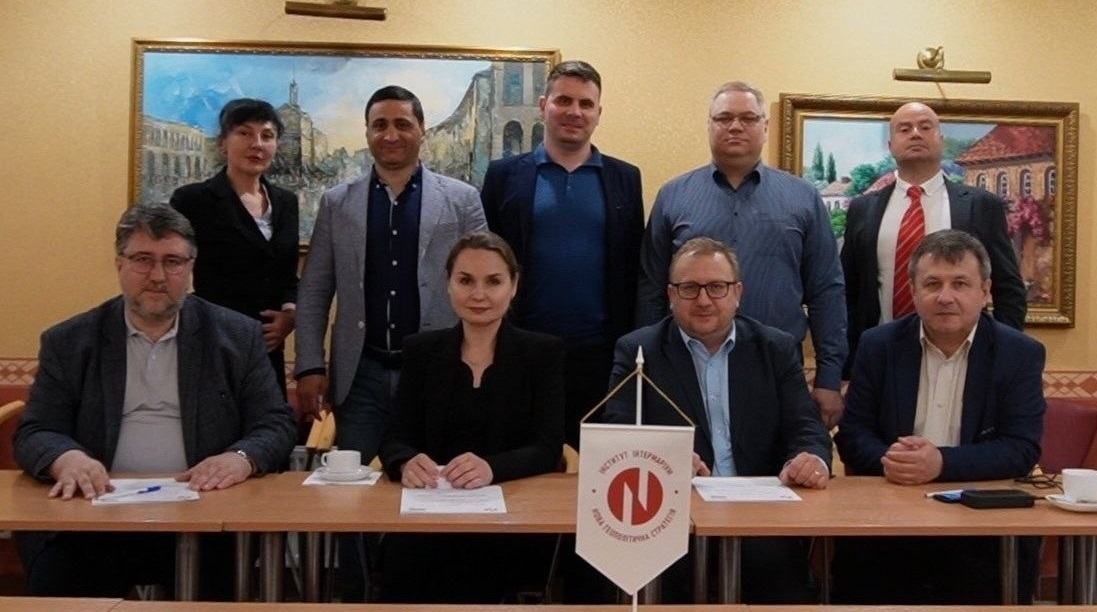
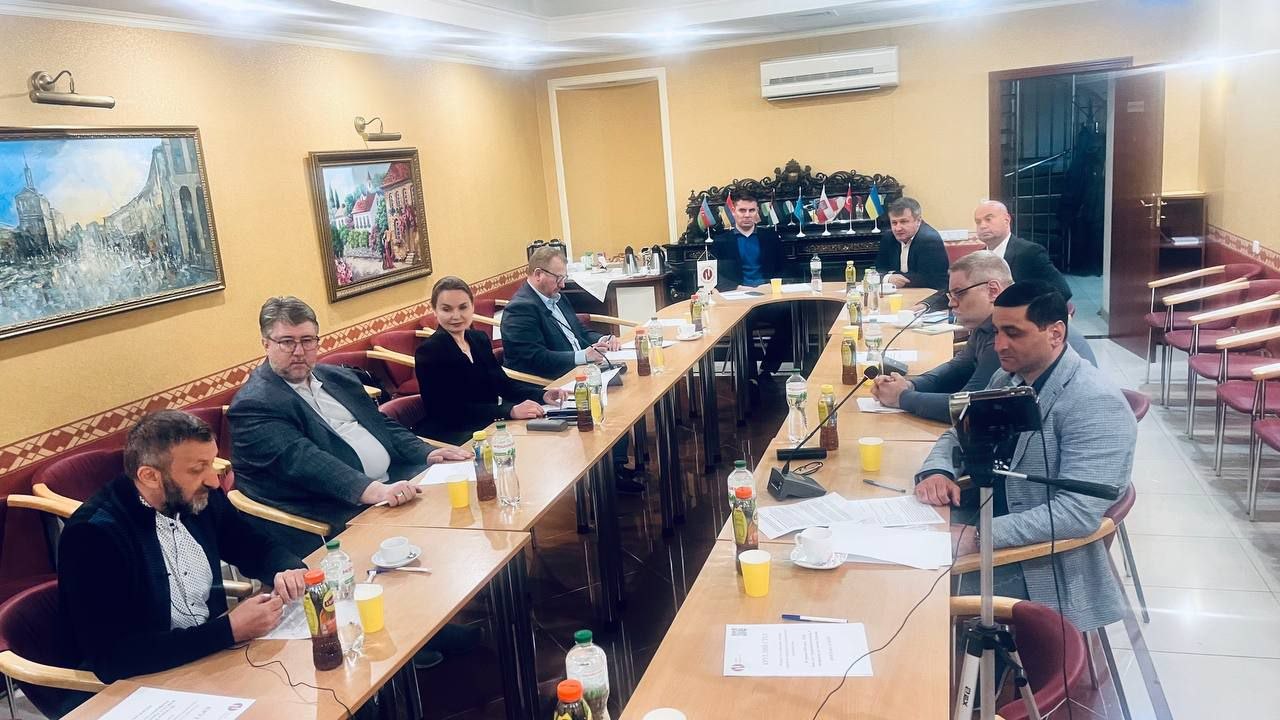
On May 30, 2026, an international roundtable entitled “Intermarium in the Asian Dimension: Transit Corridors and Geopolitical Prospects” was held in Kyiv, organized by the analytical, information, and educational center Intermarium Institute.
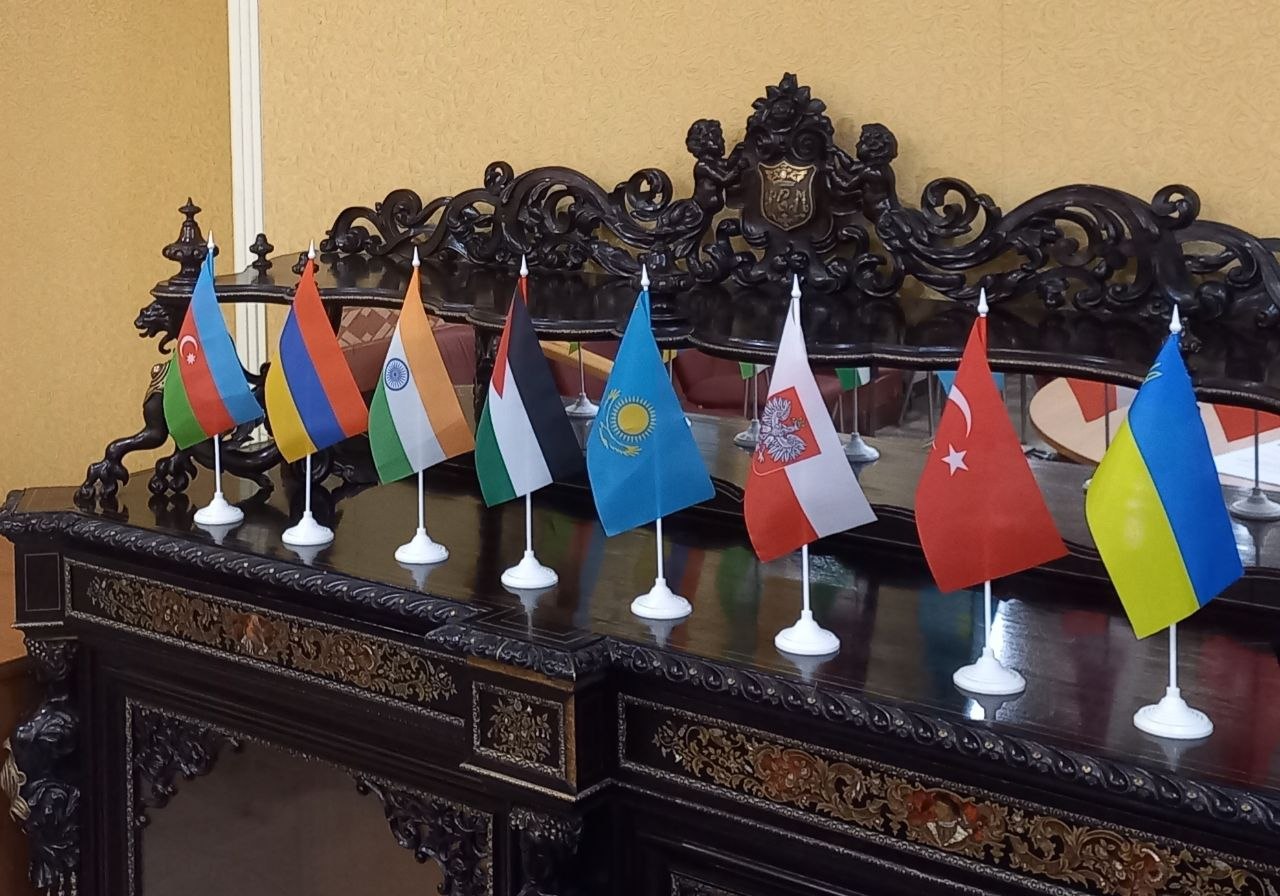
The event brought together diplomats, scholars, political experts, economists, representatives of civil society, and media professionals from Ukraine, Poland, Armenia, Azerbaijan, Türkiye, India, and other countries. Participants focused on the transformation of the Intermarium concept, the growing role of Asia in global affairs, and the prospects for the development of transport, energy, and logistics corridors between Europe and Asia.
The event was moderated by Volodymyr Volia, Strategic Studies Coordinator at the Intermarium Institute.
During the opening session, Intermarium Institute Director Valentyn Haidai outlined the general trends in the transformation of the international system, particularly the growing influence of regional centers of power and the increasing importance of transit routes in contemporary geopolitics.
The lively discussion was complemented by thematic presentations from participants, covering key dimensions of Eurasian cooperation — from security to economics and infrastructure.
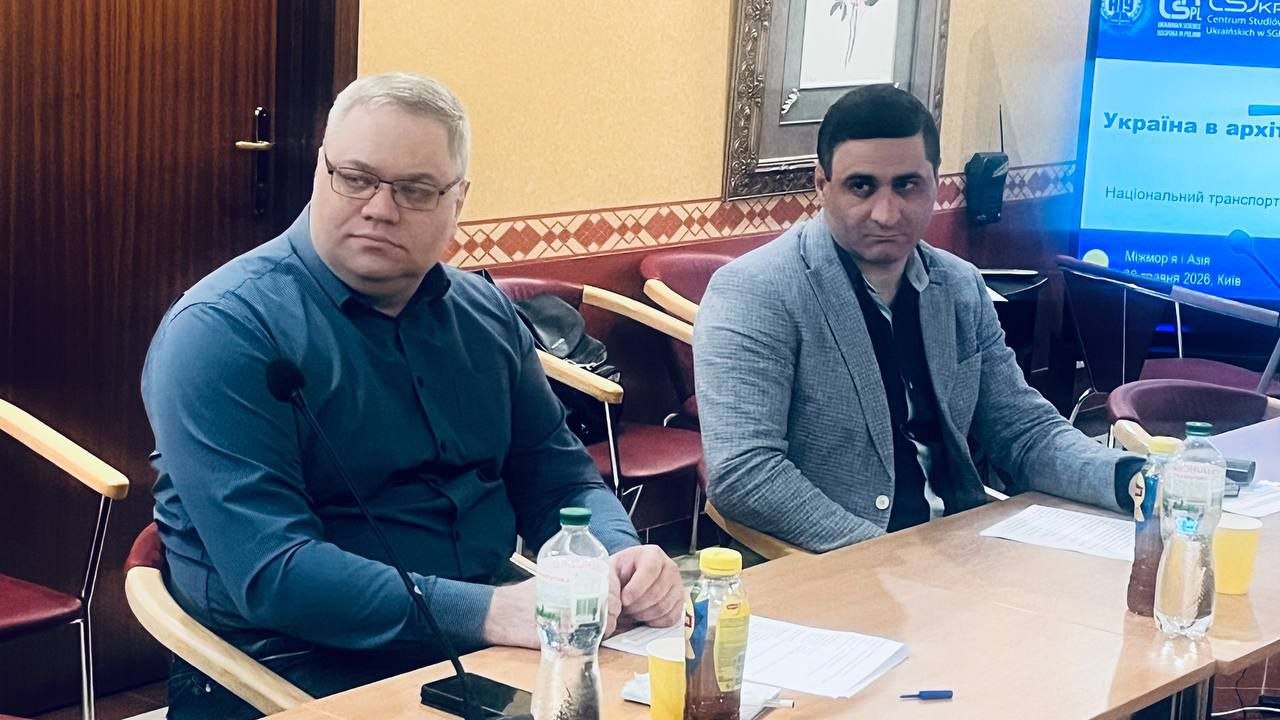
Hayk Aghvanyan (Armenia), President of the Armenian Initiative Foundation, emphasized the geopolitical significance of the Caucasus as a strategic crossroads of Greater Eurasia. He noted that the region is increasingly becoming an important hub in the formation of a new architecture of security and economic cooperation, where the interests of various global and regional centers of influence intersect.
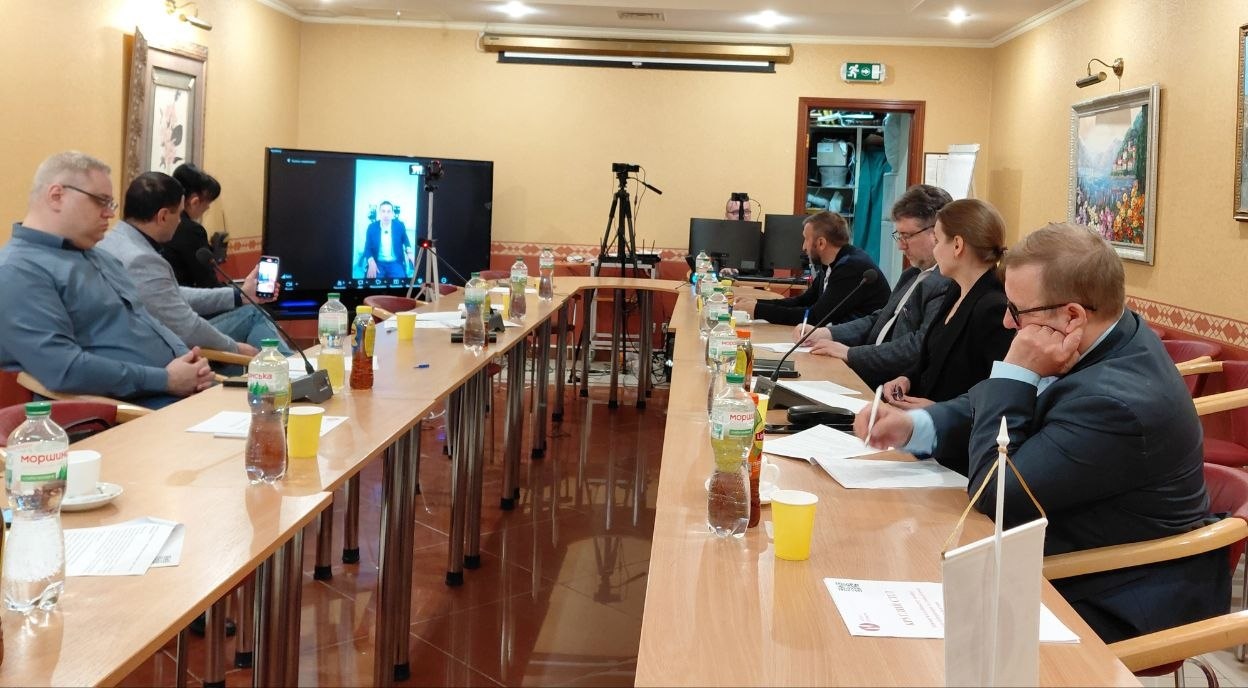
Roman Bagdasaryan (Armenia), Editor-in-Chief of the media platform “In the Focus”, concentrated on the issue of consolidating the potential of civil societies to strengthen regional cooperation. He stressed that the development of horizontal ties between societies can become an important factor in enhancing the resilience of states and strengthening international interaction within the Intermarium and Asian regions.

Rizvan Huseynov (Azerbaijan), Director of the Caucasus History Center, presented his vision of Azerbaijan’s role in ensuring the energy security of the Intermarium countries. In his presentation, he outlined the strategic importance of the country’s energy resources and transit infrastructure, as well as the prospects for deepening regional cooperation in the context of shaping a new system of Eurasian energy and logistics connections.
Vitalii Kulyk, Head of the Disinformation Counteraction Laboratory at Kyiv National Economic University, focused on the transformation of transport and energy corridors in Central Asia in the context of the region’s post-conflict reconstruction. He emphasized the changing configuration of supply routes and the growing importance of alternative logistics directions in ensuring the resilience of regional economies.
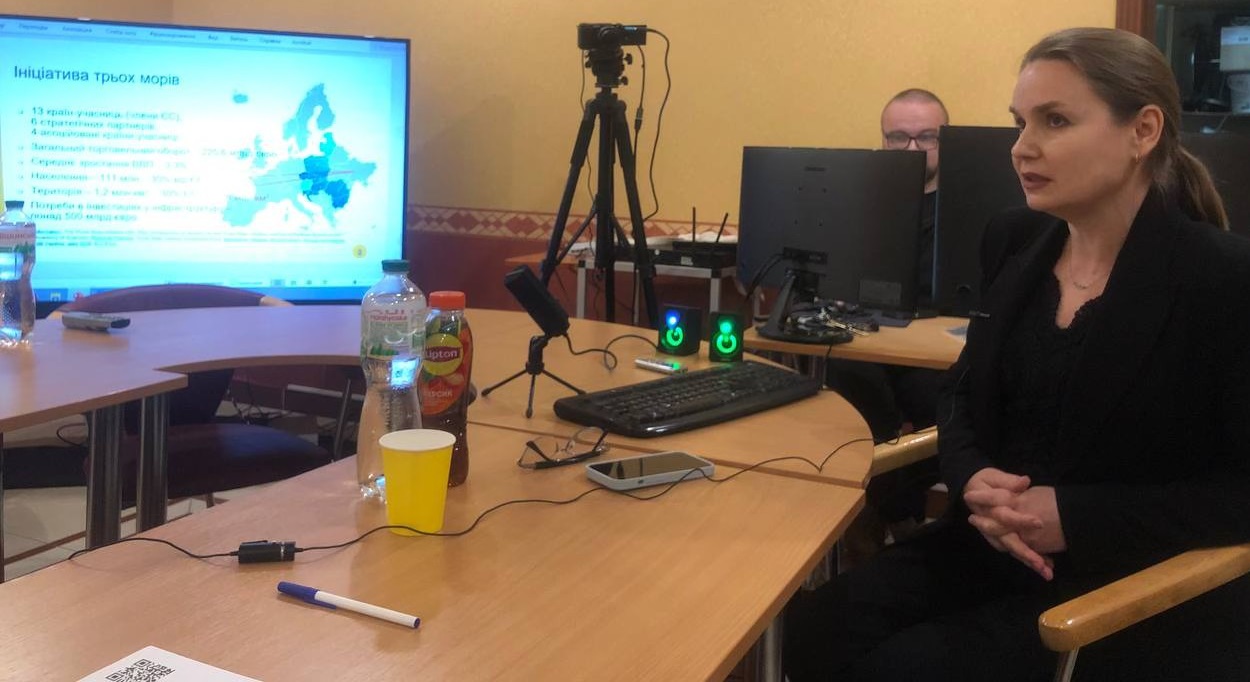
Viktoriia Yanovska, Doctor of Economics and Professor at the National Transport University, accompanied by presentation materials, presented an analysis of Ukraine’s place within the architecture of Eurasian logistics. Her report highlighted Ukraine’s potential as an important transit, infrastructure, and economic hub capable of playing a key role in the development of new transport corridors between Europe and Asia.

The discussion also featured Ukrainian and international experts in international relations, economics, and security, including Deniz Berktay, political commentator (Türkiye); Mridula Ghosh, PhD, historian and international affairs expert (India); Arkadiusz Sarna, First Counsellor of the Embassy of the Republic of Poland in Ukraine; Yurii Havrylechko, Candidate of Sciences in Public Administration and expert at the Intermarium Institute; and Stanislav Zhelikhovskyi, Candidate of Political Sciences and Corresponding Member of the Ukrainian Academy of Geopolitics and Geostrategy.
During the discussion, participants examined the role of the Caucasus and Central Asia in shaping a new Eurasian architecture of cooperation, as well as the significance of transport and energy corridors as key elements of interregional interaction.
Summarizing the event, participants emphasized the importance of further developing expert dialogue between the countries of the Intermarium and Asia and the need to establish practical mechanisms for cooperation in the fields of security, economics, and infrastructure.
The Intermarium Institute reaffirmed its role as a platform for international expert discussion on strategic processes in the Eurasian space.