


- Articles
- Hits: 848
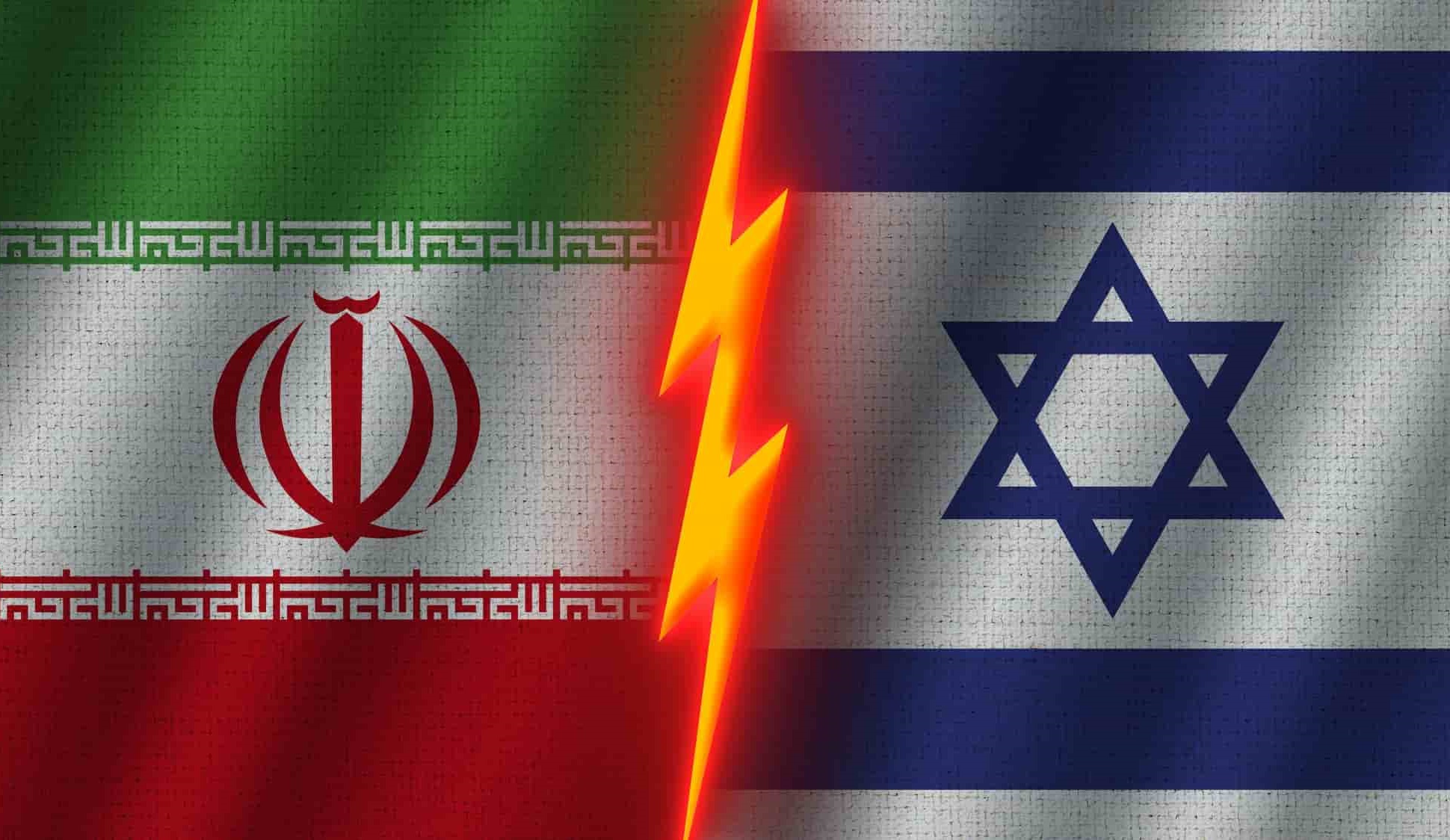
The Iranian attack on Israel, which took place on the night of April 14, 2024, was announced as a direct response of Tehran to the April 1 elimination in Damascus of the commander of the Islamic Revolution Guards Corps, General Zahedi. But these events take place in a broader strategic context that is worth analyzing.
First, the presidential election campaign in the United States limits the political freedom of action of the Biden administration. A large part of his electorate (for example, in Minnesota) sympathizes with the Palestinians and criticizes Israel's actions in the Gaza Strip after the October 7, 2023 terrorist attack against Israel.
Secondly, Israel's military operation in response to Hamas also ran into the limits of the deterioration of Israel's image in the world under the influence of Palestinian propaganda and the limitation of the army's actions «to the victorious end» in the south of the Gaza Strip (the city of Rafah on the border of Gaza with Egypt is still under the rule of Hamas).
Thirdly, Iran had the opportunity to respond to Israel with the actions of its proxy forces (the Yemeni Houthis, the Lebanese Hezbollah movement), but decided to respond personally. This is important for the Shia regime, because the demonstration of weakness is not timely, considering the activity of Turkey in the direction of Zangezur (Iran against Ankara's direct access to the Caspian Sea) and the active actions of separatists in Baluchistan, which borders Pakistan, as well as the readiness of the Islamic province of Khorasan to strike at interests of Tehran.
Fourth, Iran's allies in the Shanghai Cooperation Organization, China and the Russian Federation, have shown opposite courses regarding Iran's response to Israel's actions. The Russian Federation motivated Iran to respond harshly in order to expand the war zone in the Middle East and divert the West's attention from Ukraine. In addition, instability in the Middle East gives Russia a bonus in the form of rising global oil prices. But China, which is having a hard time getting on the trend of stimulating its economy, is not exactly interested in rising oil prices. However, China has its own bonus, because the destabilization of the Middle East calls into question the Indian project of transit trade through the Indian Ocean, the Red Sea, the Suez Canal to Europe, which could be an alternative to the Chinese project «Belt and Road Initiative».
Fifth, the domestic political situation in Israel fits into the context. Netanyahu, faced with an impasse in operations in the Gaza Strip, is interested in a «small» war against Hezbollah, with the demand that his units withdraw to the Litani River on the border with Lebanon in order to win a symbolic victory. Especially since Hezbollah from Syria can bomb the Golan Heights. Therefore, it is important to change the security environment in the region.
Sixth, after successfully repelling the Iranian attack on April 14, Biden called on Israel not to respond forcefully to the Iranian attack and to consider the incident as over. It is clear that the US has a major war in the Middle East at the height of the election campaign. Israel is unlikely to be interested in individual actions, especially since the events of April 14 proved the working condition of the so-called The 2020 «Abraham Agreement» between Israel and certain Gulf states. In fact, Bahrain's locators and the air defense systems of Saudi Arabia and Jordan helped Israel repel the Iranian attack. If the war between Israel and Iran becomes «big» the «Abraham Accords» will be called into question.
The likelihood of the exchange of blows escalating into a major war still exists. After all, any war at the stage of escalation can reach the level of irrational decisions and actions of the elites involved in this conflict, so theoretically it can lead to a retaliatory strike by Israel on Iranian nuclear facilities. But the Iranian military industry is already «buried in the ground», so even powerful strikes will cause it relatively little damage. In addition, Israel's partners - the EU and the USA - are not interested in this great war. China is also ready to contain Iran.
Therefore, it is more likely that the «small» proxy wars of Israel and Iran will continue in Lebanon and Syria, as well as in the Red Sea, where the Houthis block the Israeli port of Eilat. The only problem is that such wars can escalate again at any time.
Andrii Martynov – expert of the Intermarium Institute